PACKING LIST FOR NTONI
GEAR UP FOR YOUR SAFARI
Safari gear
Packing for a range of conditions.
- During March, April, September, and October, expect warm to hot weather, with daytime temperatures between 18°C and 32°C (65°F to 90°F).
- May through August is the cooler season, with early mornings and nights often dropping below freezing, although midday usually warms to a comfortable 18°C–24°C (mid-60s to 70s°F).
- November through February marks late spring into peak summer in South Africa. During this period, you can expect:Warm to very hot daytime temperatures, typically ranging between 20°C and 35°C (68°F to 95°F), with occasional spikes above that in some areas.
Mild to warm evenings, rarely dropping below 15°C (59°F).
This is also the season with the highest likelihood of rain, especially in the form of short, intense afternoon thunderstorms, though NTONI generally remains drier than coastal regions. It’s a good time for wildlife viewing, especially early in the mornings and late in the afternoons, but light, breathable clothing, sun protection, and hydration are key during this warmer stretch of the year.
Daily laundry is available at the lodge, so you can pack lightly. Aim for comfort and practicality, and be sure to leave extra room in your bag, you’ll likely want to bring home keepsakes from your adventure.
Clothing Checklist:
- Worn-in hiking boots for walking in the bush
- Easy shoes or sandals for relaxing around the lodge
- 4 pairs of socks
- 4 sets of underwear
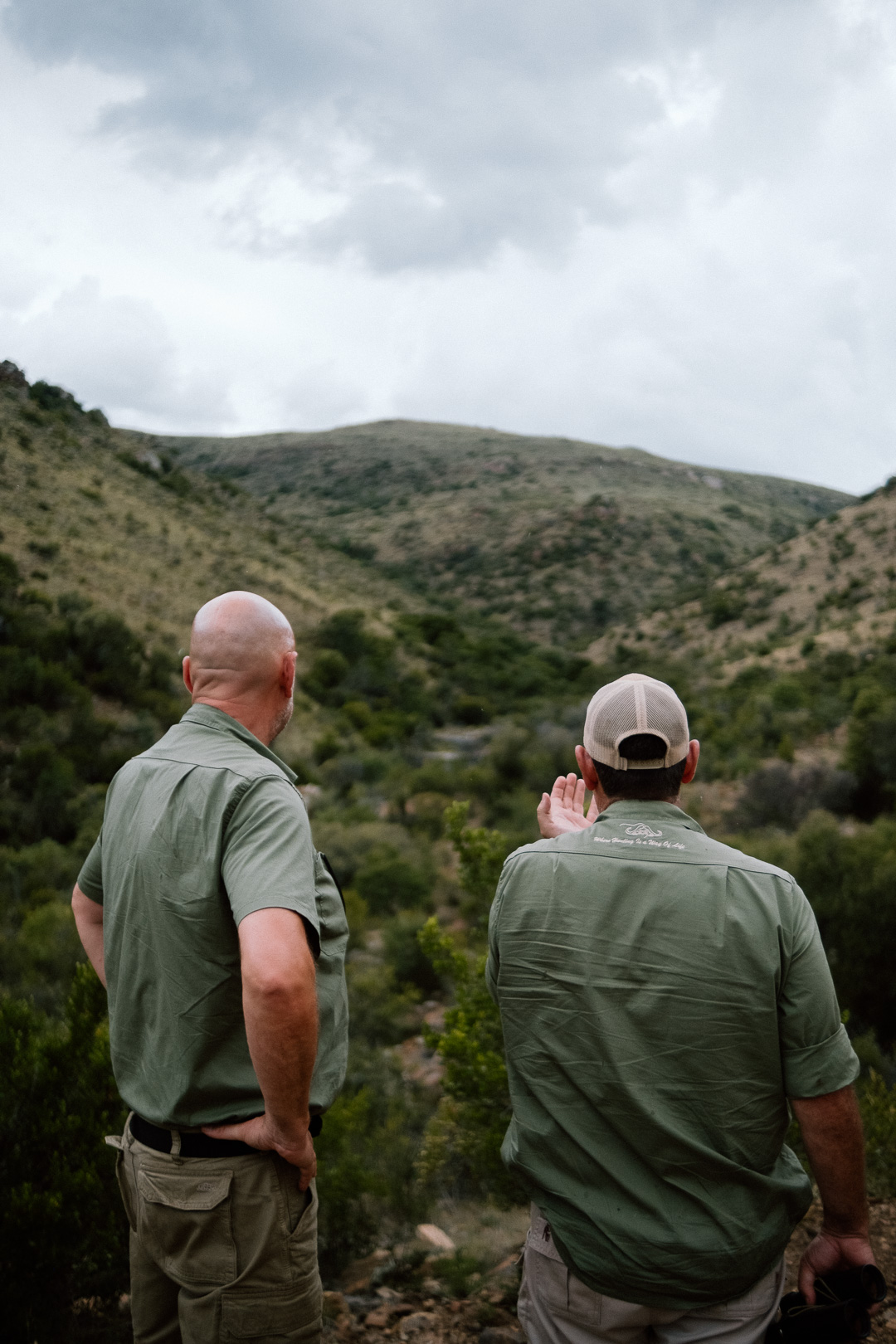
- 3 pairs of full-length hunting trousers (preferably in subdued colors like olive, khaki, or camouflage)
- 2 pairs of hunting shorts (useful for warm-season hunts)
- 4 hunting shirts (long or short-sleeved, matching your pants in tone)
- 1 field jacket for cool mornings and evenings
- 1 warm fleece, pullover, or sweater
- Comfortable clothing for evening use
- A pair of gloves for chilly weather
- A waterproof or rain-resistant jacket
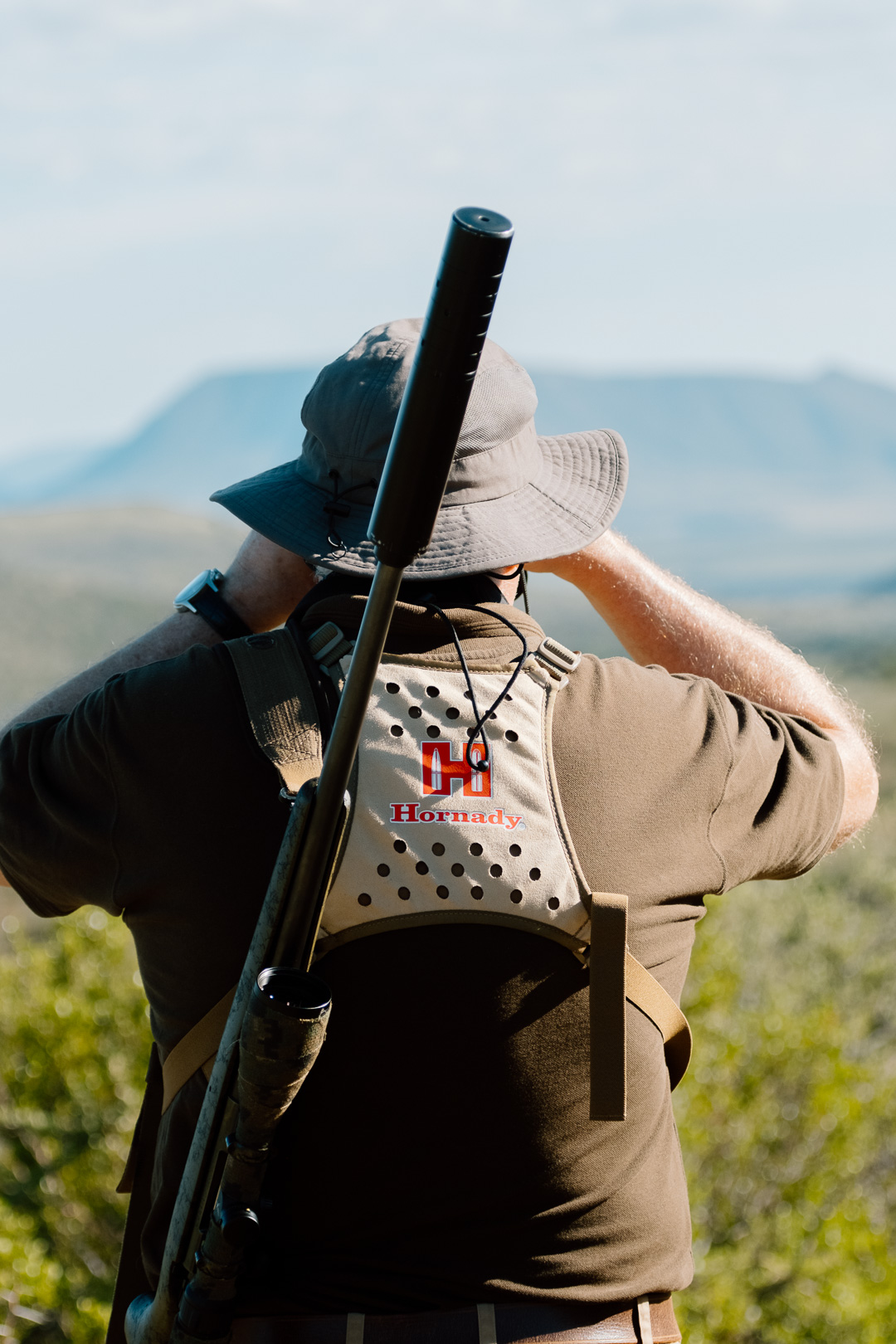
- A wide-brimmed hat or cap for sun protection
Optional Gear & Useful Extras:
Not everything listed here is necessary, pick what suits your personal needs and preferences.
- Binoculars for wildlife viewing
- Your own shooting sticks (though your guide will have a pair available)
- Camera equipment and extra SD cards or USB drives for photo backups
- Lens cloth for cleaning optics
- Headlamp or compact flashlight
- Multi-tool or small knife
- Polarized sunglasses, high-SPF sunscreen, lip balm
- Light daypack or hunting bag to carry essentials
- Your rifle and sufficient ammo (unless renting from us)
- Power adapters for South Africa’s 220V system (plug types M and C)
- Tick/insect repellent, preferably with DEET
- Spare contact lenses or eyeglasses if applicable
- Any personal medication (general first-aid supplies are available in camp and vehicles)
- Chargers, batteries, or power banks
- Rifle cleaning tools if bringing your own firearm
- Personal toiletries
- Wet wipes, especially useful during long hunts
- Soft-sided rifle case
- Taxidermy labels or shipping instructions if you’re using your own taxidermist
Don’t forget before you leave:
- A valid passport (must be valid for at least 6 months with blank pages)
- Your airline tickets
- Firearm import documentation (if applicable, not required if renting a rifle)