
Best Time to Visit Ntoni Karoo Game Reserve
Seasons
Best Time to Visit Ntoni
Best Time to Visit – Hunting Focused
The Best Time to Visit Ntoni Karoo Game Reserve depends on the season, because hunting conditions change clearly throughout the year. The hunting season runs March–November; the prime cooler-season period is April–September. Hunting is generally not scheduled in December, January or February because of the high summer temperatures.
March–April: Stable Weather and Active Wildlife
March and April bring warm days with steady temperatures and firm ground. As a result, this period works well for hunters who want long sessions in the field with predictable visibility. Wildlife moves widely across the reserve, which creates consistent opportunities for plains game and early-season buffalo hunts.
May–August: Cool, Clear and Ideal for Tracking
The cooler months offer crisp mornings and cold nights, although midday warms up again. Therefore, these months suit hunters who prefer quiet conditions, solid footing and long-distance visibility. Tracking is straightforward in this period, and animals follow reliable movement patterns across the veld.
September–October: Prime Conditions for Most Hunts
September and October combine mild temperatures with stable ground and longer daylight. These months work particularly well for guests who want comfortable field sessions and clear viewing conditions. Wildlife spreads across fresh grazing zones, and hunters benefit from predictable activity throughout the day.
November: Warm Weather with Longer Days
November marks the end of the hunting season and brings warmer days. Afternoon thunderstorms may occur, but NTONI remains drier than coastal regions. Daylight lasts longer, giving hunters more time in the field. Fresh plant growth appears across the reserve, which influences movement but does not reduce sightings.
Wildlife Calendar
What Animal Activity Looks Like Throughout the Year
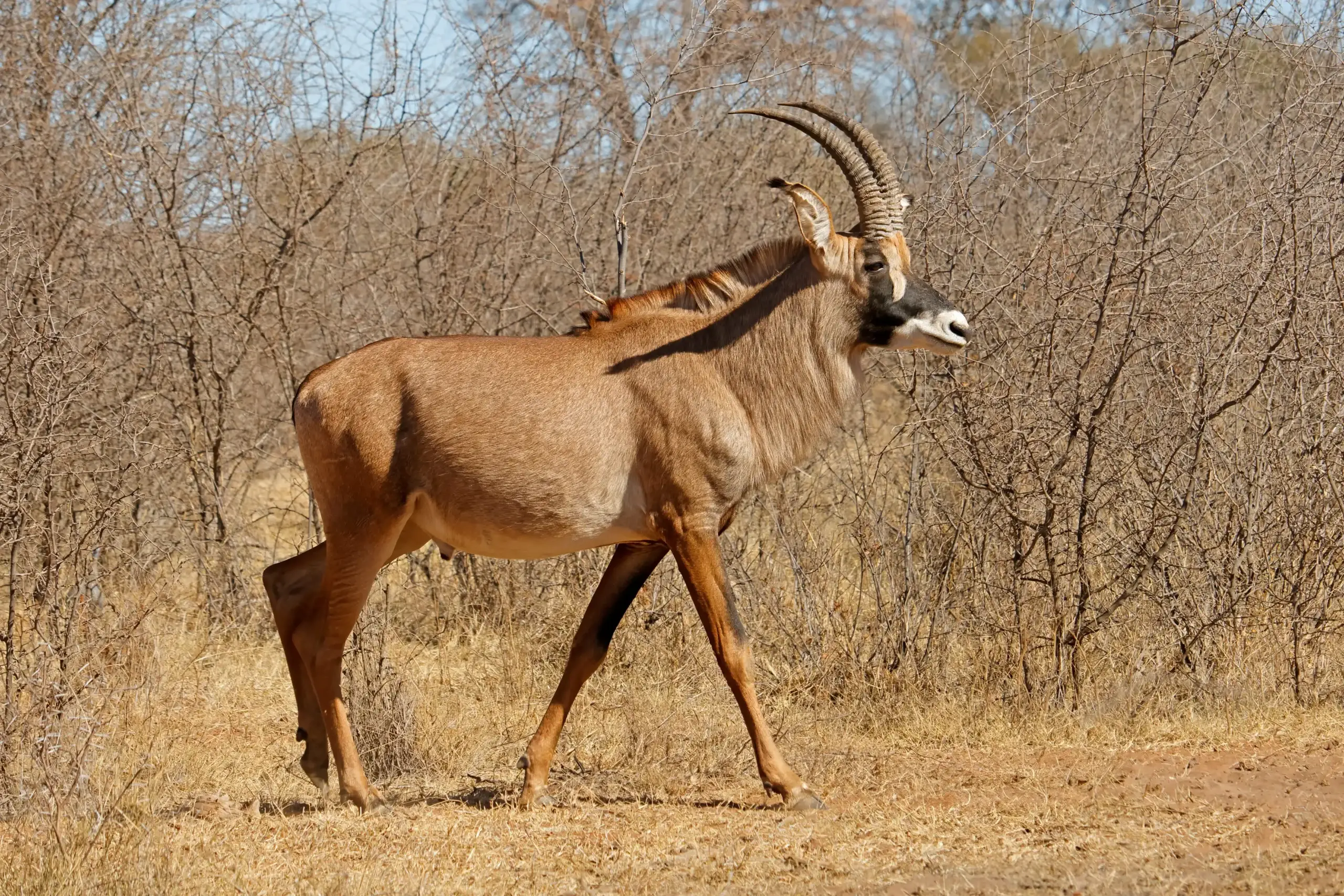
Understanding seasonal wildlife behaviour helps determine the Best Time to Visit Ntoni Karoo Game Reserve. Because the reserve holds a wide variety of plains game and large species, most animals remain active throughout the year. You can expect regular sightings of springbuck, blesbuck, wildebeest, giraffes, kudu, and our Cape buffalo in every season. However, early mornings in winter improve tracking conditions, while summer offers longer observation windows. Therefore, hunters and non-hunting guests both benefit from the seasonal changes.
Some bird species move more during late summer and early autumn, and geese or pigeon outings depend on regional timing outside the reserve. Although all trophy males can be hunted throughout the season, professional hunters decide which specific animal is suitable. This ensures long-term population quality, and it keeps sightings stable regardless of the month. In addition, the dry months make walking and stalking easier, while the greener months support higher general activity near natural feeding areas.
Climate & Weather
Typical Temperatures and Conditions to Expect
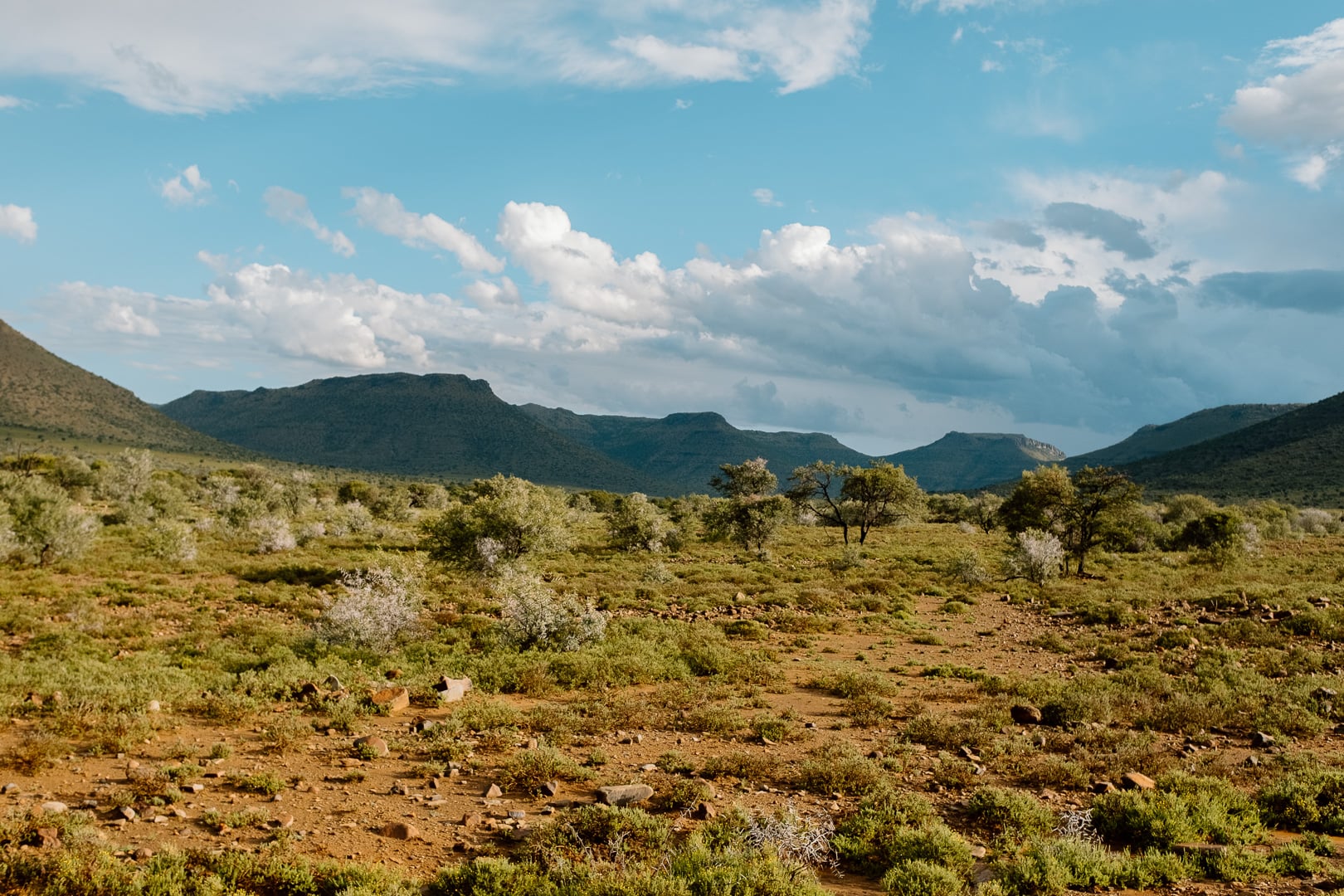
The Best Time to Visit Ntoni Karoo Game Reserve also depends on your weather preference. The Eastern Cape delivers a clear pattern: warm to hot summers and cold, dry winters. From late spring into summer (November to February), daytime temperatures range between 20°C and 35°C, and evenings stay mild. Short afternoon showers may appear, but the reserve generally remains dry enough for comfortable drives and hunts.
From May to August, mornings and nights often drop below freezing, therefore warm clothing is essential. Midday temperatures rise to the mid-20s, which creates good visibility and predictable weather for tracking. In March, April, September, and October, the climate is balanced and reliable, making these months suitable for guests who prefer moderate conditions. Across all seasons, NTONI’s terrain stays accessible, and guided sessions continue without major interruptions.