
Burchell’s zebras
The Zebra’s Size and Distinctive Striping
Burchell’s zebras are similar in size to other steppe zebras, with males and females standing 1.1–1.4 metres (3.6–4.6 ft) at the shoulder and weighing 230–320 kg (507–705 lb). As reproduction occurs throughout the year and males and females follow the same activity patterns, there is little sexual dimorphism in this subspecies.
Their markings define them clearly. Burchell’s zebras have bold stripes on the head, neck, and flanks that become thinner along the upper limbs before fading into white. One or two shadow stripes appear between the wide stripes on the hip — the key feature that separates this subspecies from others. Early descriptions noted a narrow dorsal line that widens toward the hindquarters, bordered by clear white edges, and a tail that is only bushy at the tip.
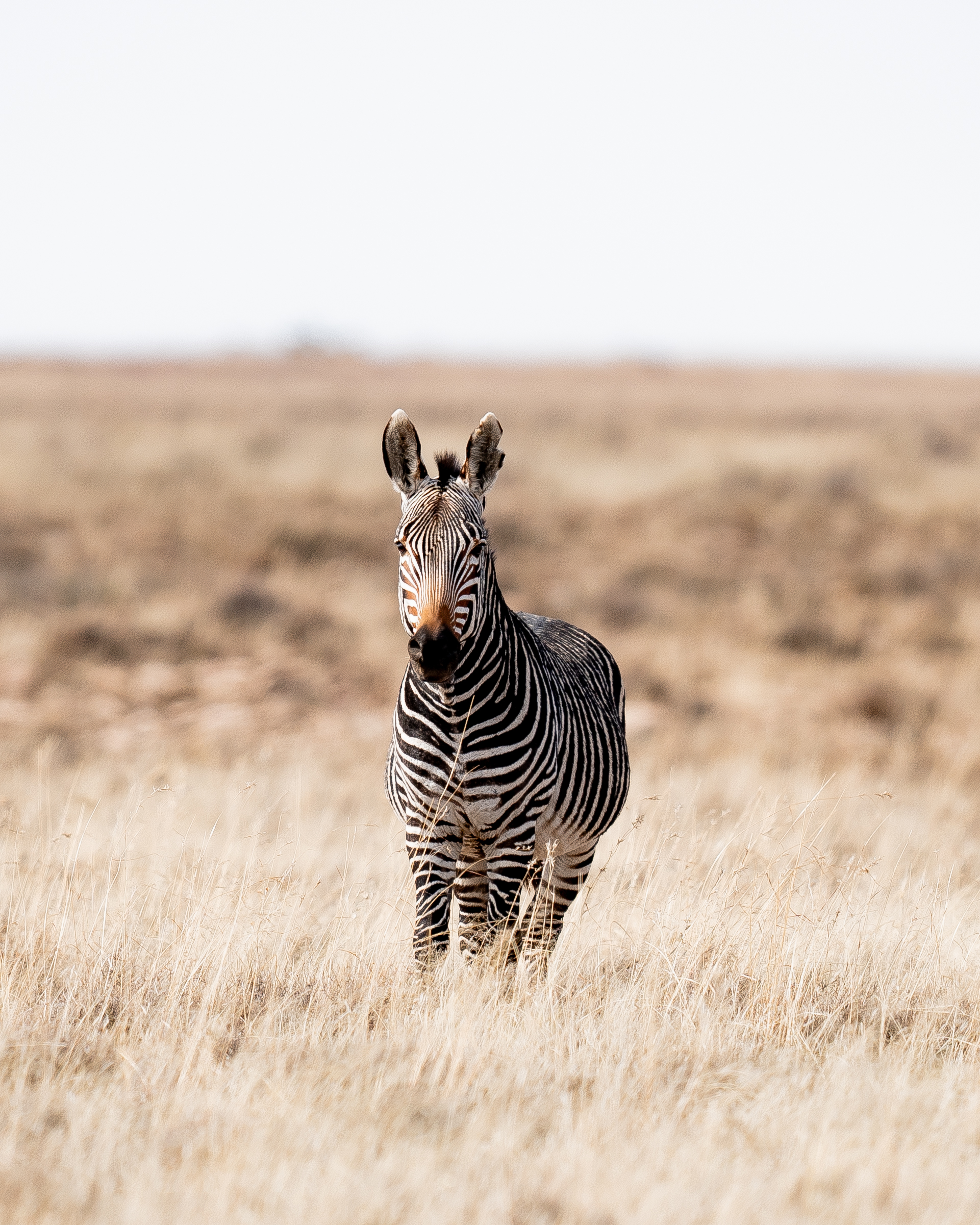
Social Life of Burchell’s Zebras
How Burchell’s Zebras Live and Move as Social Groups
Burchell’s zebras form small, stable family groups, either as harems or bachelor herds. Harem groups consist of one stallion with one to six mares and their most recent foals. Bachelor groups contain two to eight stallions, usually younger or older males that are not able to secure breeding rights against stronger rivals. These small units often gather in larger mixed herds around water and grazing areas, yet each group maintains its identity within the bigger population.
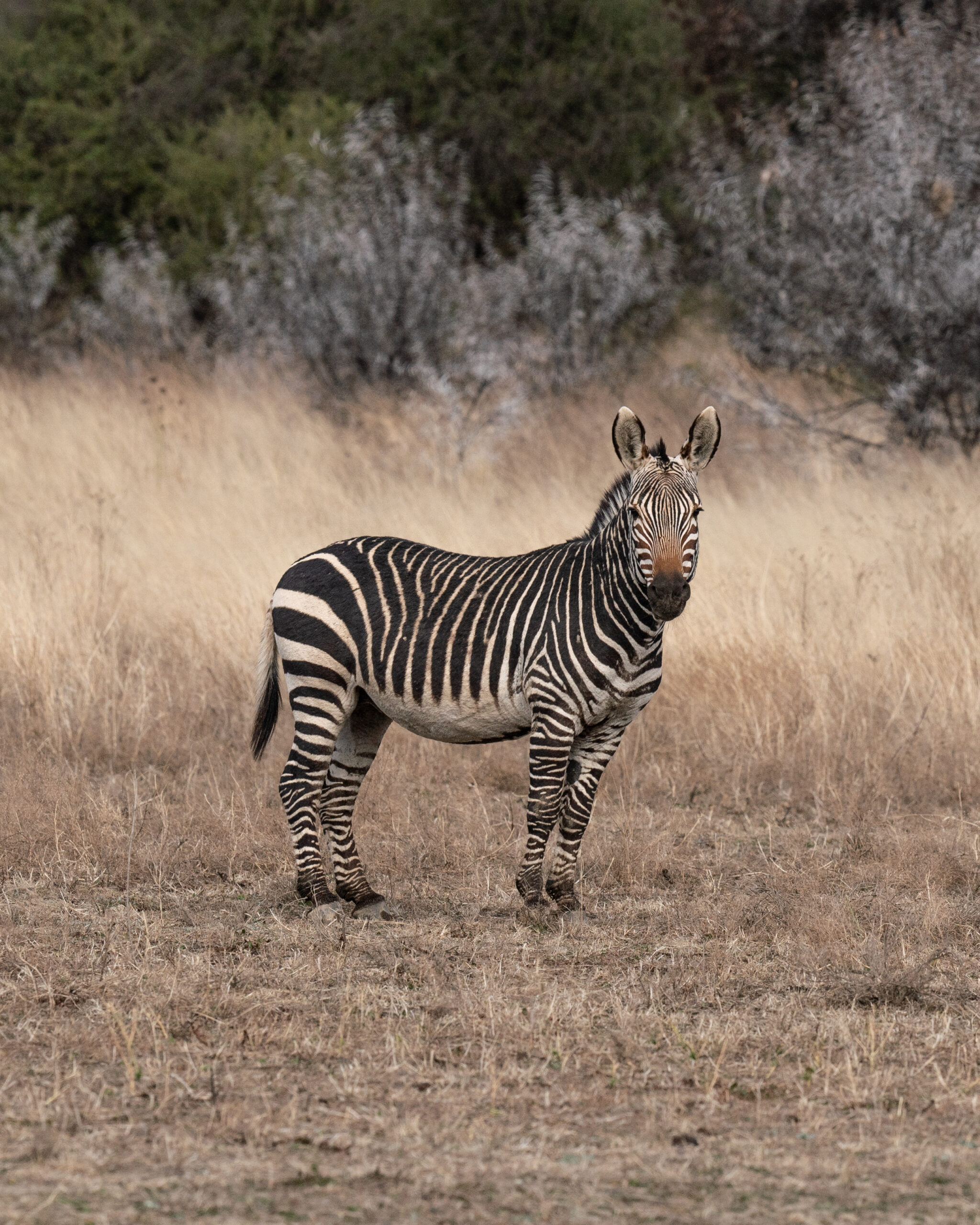
Behaviour in Shared Landscapes
Habitat Use and Behaviour Around Water and Grazing Areas
Family groups and bachelor herds frequently merge at shared resources, especially in dry regions where grazing and water influence daily movement. Despite these large gatherings, the individual groups remain strongly bonded. The consistent presence of both sexes in these environments supports year-round breeding, and the synchronised activity patterns between males and females help explain the minimal differences in body size and structure across the subspecies.


